

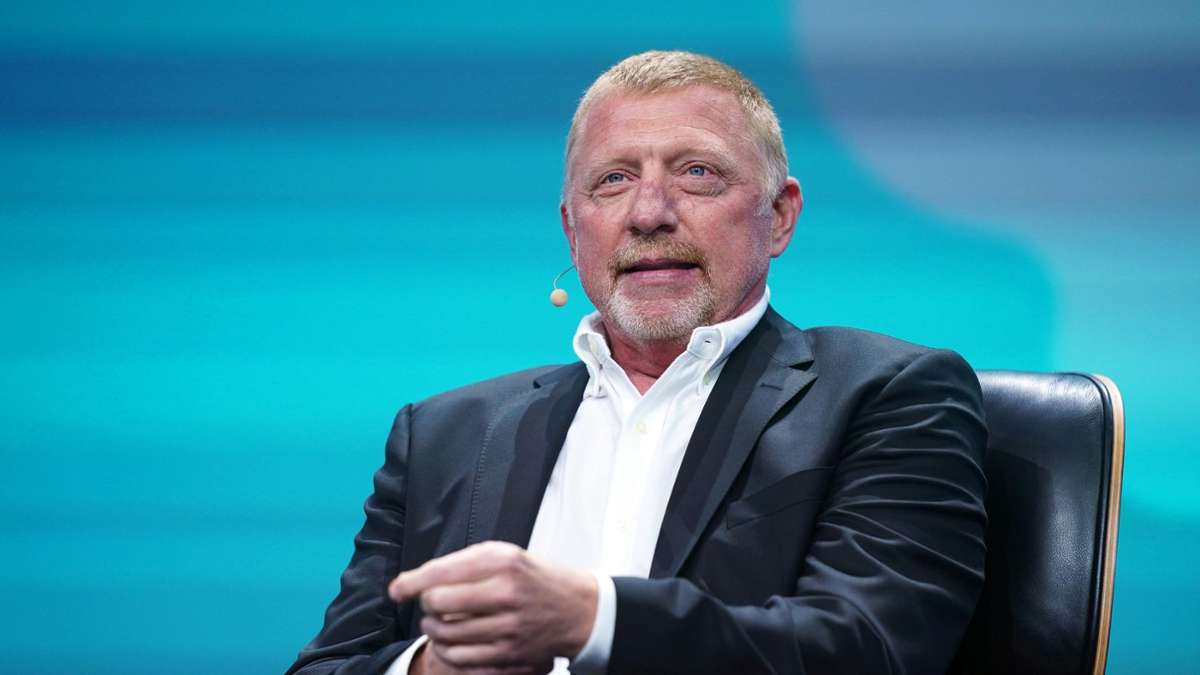
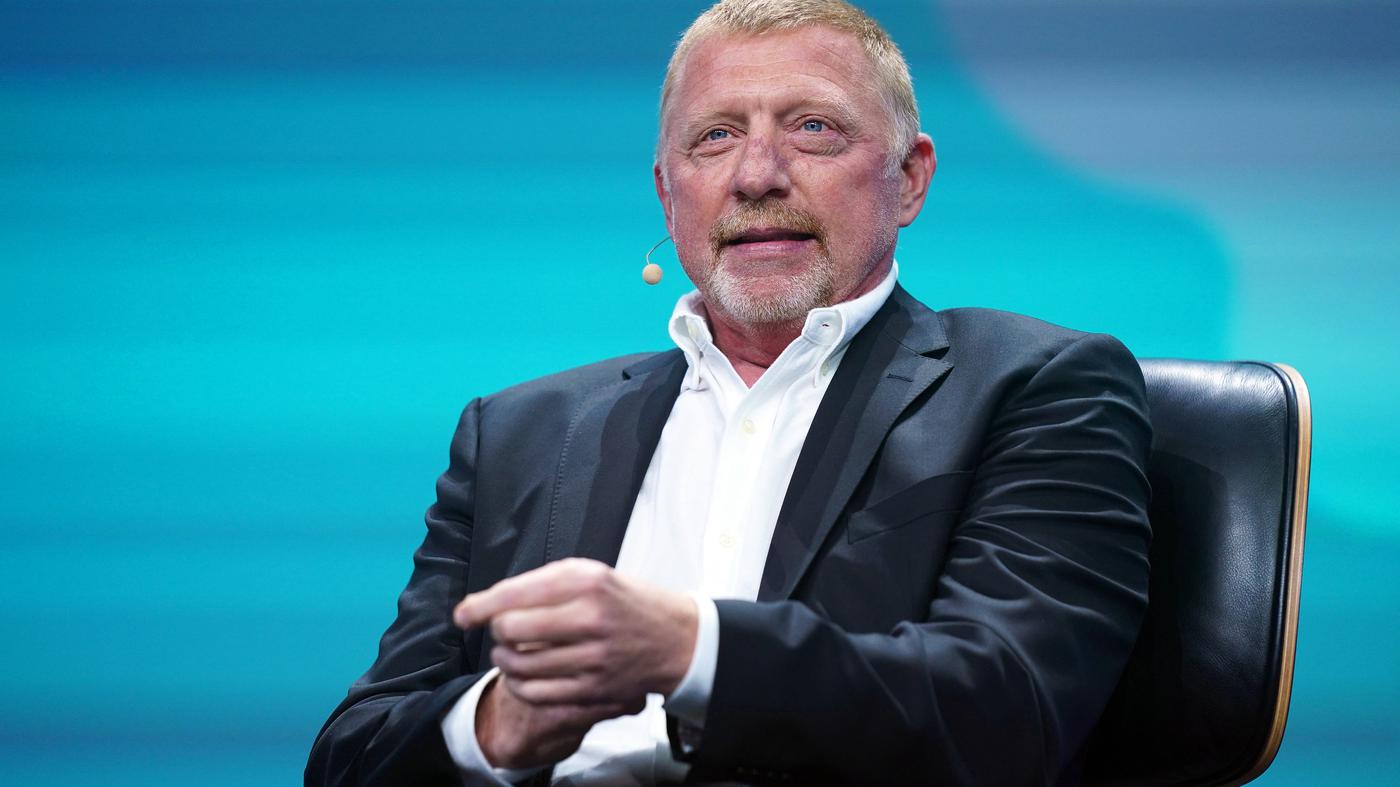
Former tennis star Boris Becker has taken a remarkable step towards normalcy two years after serving a British prison sentence....
IBM has acquired Terraform provider HashiCorp for $6.4 billion IBM has acquired HashiCorp, a company specializing in cloud business tools,...
The insolvency proceedings continued even after his release from prison But insolvency proceedings continued. Becker had to hand over part...
We've all been there - there are things we still know years later and other information that we forget shortly...
According to his lawyer, former tennis player Boris Becker is no longer insolvent. “As a result of an agreement with...
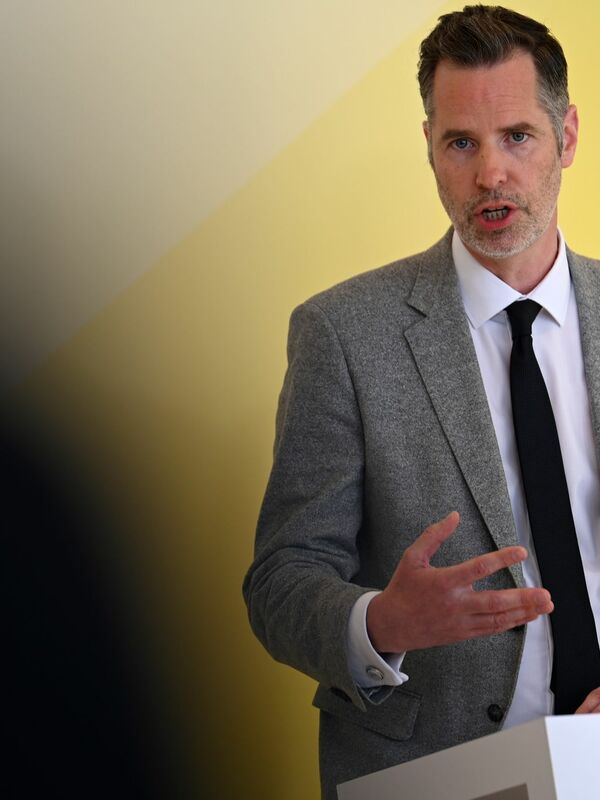
Despite massive international criticism of Great Britain's planned asylum agreement with Rwanda, the FDP parliamentary group is pushing for similar...
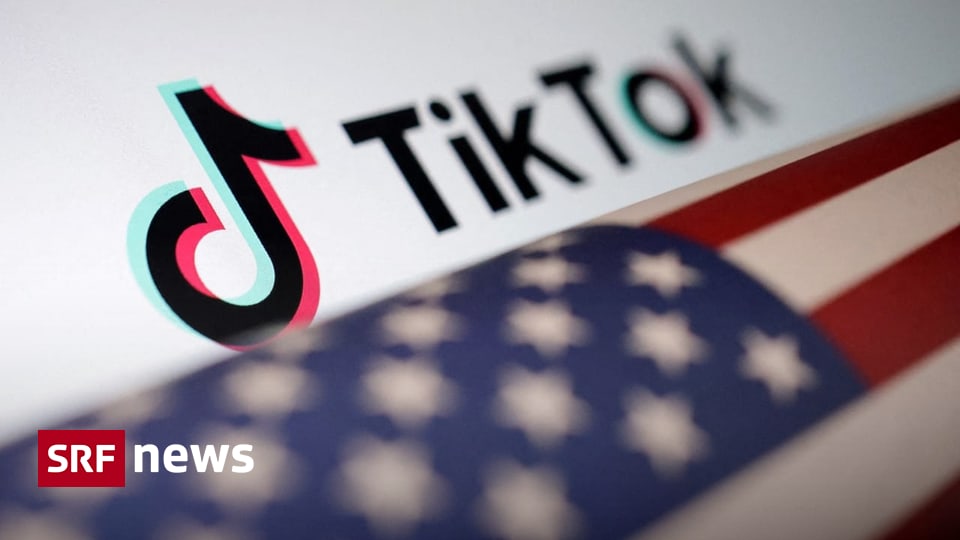
Applicable law – This is what will happen if Tiktok is banned in the United States of America – News
Contents Bytedance, owner of Tiktok, must sell its US business. Otherwise Tiktok will be blocked there. Will Bytedance do this?...

Harry will only visit Britain briefly.Photo: PA Wire/James Manningthe Royal familyFor a long time it was not clear whether Harry...

the animals In Western Australia, experts and volunteers are frantically trying to rescue a large pod of stranded pilot whales....
Marco Odermatt is happy to have Hirscher back. However, he could only lose in this duel.Image: CornerstoneMarco Odermatt will have...